
Erin Harrington cobbles together a bunch of end of / start of year material.
Did the performing arts in Ōtautahi survive or thrive in 2025? A little of both perhaps, but either way it was a very big year. There have been some big physical shifts in the local arts ecosystem. Wider changes – such as Creative NZ funding priorities, changes to secondary and tertiary education, and the wicked problem of the sinking lid of pokie funding – are only starting to trickle down. The ‘Christchurch is cool now’ narrative (is it a narrative? Is it real?) has been a huge boon to the arts, if only to remind people that a) we are here and b) we are worth visiting and collaborating with, so c) come play. It’s taken 15 years – so, for younger people, a generation – but it finally feels like the post-quake is now post-post-quake. Everyone’s broke and stressed out but people are still making good art, weird art, interesting art that tried but didn’t quite work out, thoughtful art, art for their friends, art for their communities, art that builds foundations for the next work of art.
In the interests of adding to the annual listicle industrial complex, Flat City Field Notes offers a list of last year’s highlights, and a wish list for 2026. Ngā mihi nui to the site’s dozen or so contributors and some other collaborators for their sometimes very feisty input. Between them they have varied tastes and areas of expertise, and have seen loads, even if only a small fraction of that has ended up being formally reviewed. Given how much is put on in Ōtautahi, and how challenging it is to cover even a portion of it, there’s no doubt lots of things missing (especially comedy, music and dance, but also a lot of community work), but we’ve done our best. If you have any favourites, or any grievances, feel free to comment or message.
2025 highlights, in no particular order
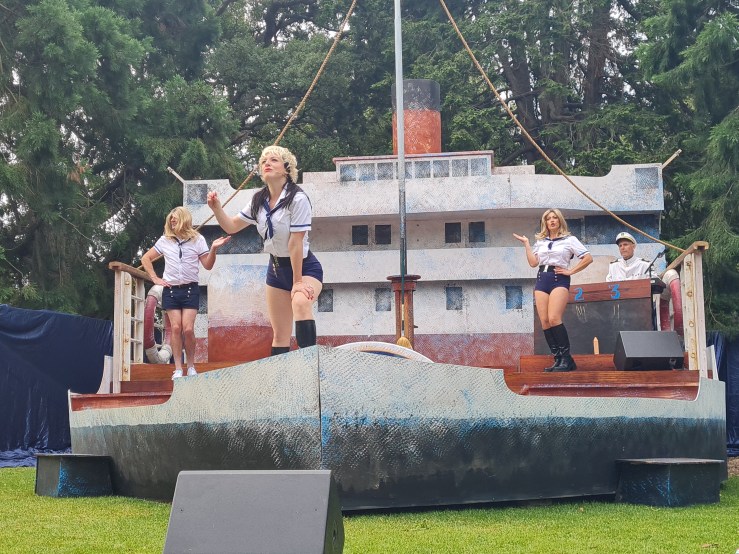
Rollicking Entertainment’s hugely popular outdoor production of The Complete Voyage of the RMS Titanic (in 90 Minutes) opened the year beautifully. Special mention to Dan Pengelly cracking an iceberg lettuce on the bow of the ship, the climactic bingo card moment in which we all got to get got in a fogged up car, and Darlene Mohekey’s incredible rendition of Supergroove’s “Can’t Get Enough” while hustling the audience for post-show donantions.
The Court Theatre moved into its new bespoke home in the city after suffering in the ‘leaky lifeboat’ of The Shed in Addington (beloved by audiences for its ample parking, hated by those who actually had to work there). Add to this many years of funding wrangling and arguments about the new theatre’s role in physical, political, artistic and philosophical senses as the anchor project in the Performing Arts Precinct. A proper end of an era, seen out with a Rainbow Theatre Weekend for Pride Week (returning for 2026). The new theatre’s mainstage opened with a sweet and gentle company version of New Zealand theatre classic The End of the Golden Weather, anchored by a terrific performance by Sir Ian Mune. The theatre has staged a very full programme of work across two stages, alongside its education / youth / outreach programmes, its long-running improv offerings (The Court Jesters still in fine form), and the ongoing creative and production work that goes on when you’re a producing house, all while trying to figure out the practicalities of the new space for staff and public alike, including how to get audiences old and new into the door. (This includes literally – there’s a hell of a bottleneck where the front door, box office, elevators, theatre entrances and the passage to the bathrooms meet.)
There were some real highlights: a well-made production of The King’s Speech that had to extend its sold out run; a thoughtful and warm staging of End of Summer Time that teased the humanity out of a cantankerous script; a manic and plainly bonkers rendition of The SpongeBob Musical: Youth Edition; an ambitious youth production of Six Characters in Search of an Author; the revival of Black Faggot (one reviewer awarded this ‘best use of a xylophone’); the triumphant summer offering of 9 to 5: The Musical. The visiting production of KŌPŪ was a particular standout – a loud, proud, tearful, hopeful, funny, crass, colourful celebration of wāhine Maōri excellence that had the people in the seats next to me wriggling around going ‘oh, goodness!’ More Māori theatre please! Contrary to popular belief and the sometimes loud protestations from a minority of subscribers, people do want it. There are some inevitable teething issues in the space, particularly around audience experience, but I’m looking forward to seeing how the building (particularly the foyer) gets opened up more to the public given the theatre’s current messaging about how the theatre belongs to the people of the city (literally as well as figuratively).

So many people reported crying at KŌPŪ, but not as many as those who attended the New Zealand premiere of the new(ish) Canadian / American musical Come From Away, staged by Showbiz. This was an inspired bit of programming, and alongside Blood Brothers really showcased strong storytelling and characterisation alongside the company’s usual high standards of music and movement. Ovation Theatre’s great Spotlight Series of solo cabaret shows did a lot to fill the frustrating opportunity gap that particularly plagues musical theatre; here’s hoping they continue, and that we see more interesting pop up spaces.
Community theatre is in good health, despite persistent challenges including funding, advertisement, resourcing, and demands on audience attention. These groups are the unsung heroes and workhorses of the arts ecosystem – creating work for and with their communities, for the love of it. Riccarton Players took out a load of awards at the national TheatreFest competition with a work by, and honouring, the late Doug Clarke. There was a lot of admiration for Canterbury Repertory Theatre’s The Hound of The Baskervilles – strong leads, good design and direction, zesty script – and for Hwyl Theatre’s commitment to exploring novel takes on Shakespearean texts with large community casts that include seasoned pros and school-age performers alike.
Community was also at the forefront of NZ Opera’s exquisite production of the The Monster in the Maze, which had large adult, youth and child choruses in support of its leads. Beautifully directed and performed, open-hearted, challenging, hopeful… add a few more superlatives and you’ll get there.

Jolt Dance has had an incredible year, which has included collaborations with the NZ Trio, Gap Filler, the Special Olympics, and the CSO, and a trip to South Korea where dancers and tutors Joel Forman and Lachlan Oakes led classes. Check out their socials for more info. It’s one of a handful of local world-class organisations that support disabled people to explore their creativity; a hat tip also to Many Hats Theatre Company, who rounded out the year with their production of Octopus. Get on the mailing lists of these organisations, as these shows aren’t always widely promoted and are easy to miss.
Welcome Te Wā, a Māori-run community space which opened in light industrial Sydenham. This multipurpose anything venue / hub / living room / underground arts incubator addresses a need for spaces with low overheads and maintenance that support activities with high creative risk and open-ended outcomes, and that cater to younger and emerging artists. Get on the mailing list here too, they are doing cool things. In terms of infrastructure, a shout out to Altiora and Good Times Comedy Club.
Sometimes good things do come back: the thrilling, dark and sensuous Berlin Burlesque: The Story of Hanussen was revived at Lyttelton Arts Factory by the Lyttelton Circus Arts Company (formerly The Loons) after 14(?) years to sold out crowds. Saucy. Still circus-adjacent, but completely different in tone, was the sell-out showcase offered by the Feminist Clown Posse, which under Tessa Waters has established itself quickly as a key element of the city’s arts ecosystem.
The programming at The Arts Centre Te Matatiki Toi Ora is consistently excellent. This year’s highlights include JMO Theatrics’ Julius Caesar [no, wait, that was 2024! anyway it was very good], Good Company Arts’ dance film Pepe, the wider Matariki line up (hello The Māori Sidesteps), and the outstanding and vibrant touring production of Running into the Sun. So many people have reported Cubbin Theatre, who are in residence at the Arts Centre, as one of the year’s arts MVPs, and increasingly a nationally respected voice in advocating for high quality, accessible arts for the young. I will say that The Arts Centre’s website is deeply annoying though, as events that have occured disappear immediately from the site and there’s effectively no record of their wide range of operations.
Some big-name partnerships looked to the past and future of arts and storytelling in the city, especially the magic collaboration between the CSO and Pacific Underground, the Ōtautahi Pasifika Legacy Project.
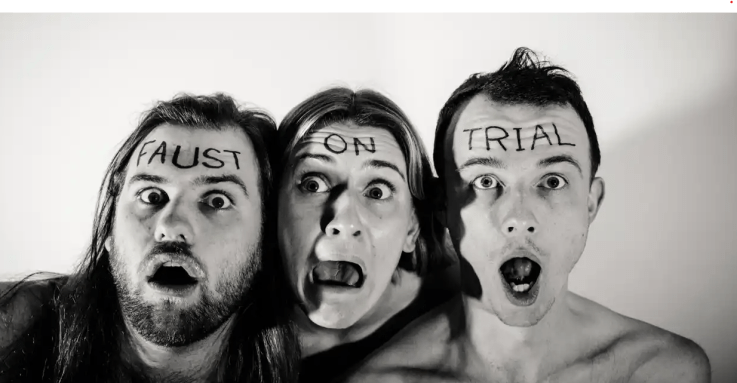
The revamped Hagley Theatre School, under the leadership of Pedro Ilgenfritz, had a terrific year, resulting in the development of exciting new theatre works (including Faust on Trial, The Meeting, and E Ipo / My Love), and a great end-of-year class production of The Odyssey, which also featured some very good and honestly nostalgic chorus work. Bring back choruses! (I particularly miss Robin Bond’s classical drama productions.) Someone with a bit of insider knowledge has suggested that there are some exciting things coming up at NASDA, with a particular nod to the excellent work being done by tutor Cienda McNamara, so watch this space.
And the final good news story comes from Little Andromeda, the weird and beloved little theatre that could. In the last year it has had regular programming (like live magical scenario gaming in Dungeons and Comedians, improv show Perfuct Storm, and Late Night Poetry Hours), alongside book launches, improv, drag, poetry, photography, clowning (including Chooks, easily one of the best shows of the year), new scripted work, new devised work, touring works, Pasifika work, Asian work, stand up and other forms of comedy, film, festival events, solo shows, family shows, rehearsed readings, jazz, and the annual Christmas show, all delivered on the small of an oily rag, with artists taking a decent cut. A few days before Christmas, theatre helmsman Michael Bell offered an apologetic online video message outlining why tickets weren’t yet available for 2026 – a bunch of admin stuff, but also a budget shortfall that’s been known about since 2024, which was impacting organisational certainty. “I personally don’t know how to raise 50K, if you do know how to, please give me a call”, says Michael in the first video. Turns out all you need to do is ask; as of New Year’s Eve, $51K worth of donations had come in from more than 120 donors. The purple croissant lives on.
A greedy 2026 wish list
More new work, especially scripted work, particularly from Aotearoa and the Pacific, or with a local connection. Kudos to the creators of Coffin Ship and The Song of Briar Grant for getting new hour-long scripted works up in 2025, and to those initiatives that support works in progress like dramaturgy, rehearsed readings, and development seasons. It’s really notable, asking around, that there’s a real fatigue for American plays in general outside of the inevitable Broadway musicals; this came up a lot in people’s discussions about the Court Theatre’s Wolf Play, which was beloved for its performances and its gorgeous Wolf puppet, but bemoaned for its set, sightlines, and focus on Americans shouting at each other. This includes cabaret that consists of works from the American songbook held together by a loose character or narrative throughline. There are also wider questions about why a good cohort of young and emerging artists are more comfortable performing in American accents than NZ ones. So much of our arts and media diet is imported, and we are the only people who can tell our stories.
Better sight lines and better (less tight / uncomfortable / inaccessible / mobility unfriendly) seating at the Court. This is 2025’s biggest disappointment, and something that’s filled this site’s inbox after each review when punters don’t know where else to send their complaints (apart from one person who complained about a joke about David Seymour in Titanic). It’s true that there is a settling in period as regulars get used to the new space, but it’s clear that there’s a real disconnect between the theatre’s very noble stated intentions (particularly re: accessibility, disability) and literal bums on seats audience experience, which has been commented on consistently, about both spaces, since the place opened. Everything, from the seats to the staging, feels cramped (skinny able bodied people only); nine months of quiet back channel chat indicates that backstage space for the artists is also extremely difficult to manage. The production of 9 to 5 has addressed some issues with its clever vertical staging, but it’s hard to recommend shows when you don’t know if the audience will be able to see anything, or if they will need to perch on low benches with their knees up by their chin or high seats with their legs dangling, sometimes able to see what’s going on in the wings. There’s also a lot of grumbling about people being ushered out of the venue quickly afterwards when they want to stick around for a drink to decompress and discuss the show, the theatre equivalent of someone flicking the lights on and off and playing ‘Closing Time’. Weird. Lots of votes for the good hot chips though.
More touring shows! The work that has come through in 2025 has been stellar, including at big venues like the Issac Theatre Royal, The Piano, and occasionally Papa Hou (which needs more love from locals). Audience aside, there’s a powerful sense of cross pollination when artists from different places visit and collaborate.
More work that’s not in English – including work in te reo Māori and Moana languages. Audiences without that language capacity will meet you there. Personally I would love to see an NZSL show.
More cross-disciplinary collaborations. Touring shows like Running into the Sun (physical theatre and movement, live jazz, projection, and so on) and Good Company Arts’ Pepe (dance, film, raranga, taonga pūoro) gave masterclasses in this.
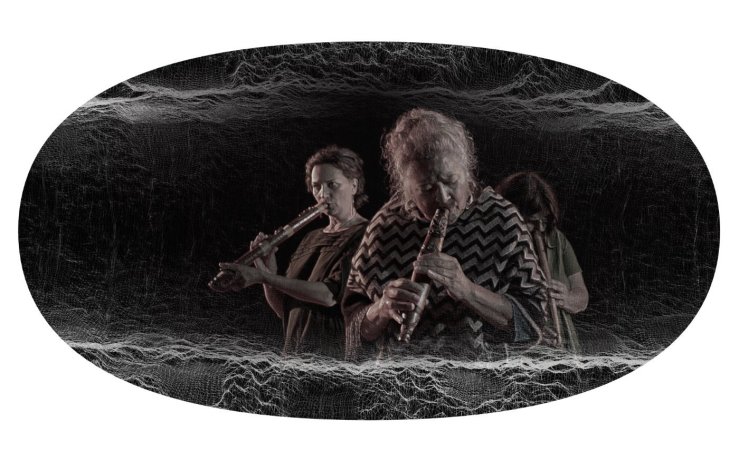
More fruity / funny / peculiar / interesting / transgressive / challenging performance art. Speaks for itself.
More organisational collaboration and sideways thinking. The funding landscape is barren, KPIs are really hard to meet, and resourcing is really difficult, but there is so much capacity and will for mutual support (see: Little A, above). Big organisations partnering with or acting as an umbrella for emerging ones. Artists banding together for safety in numbers (see: Te Wā, and Proudly Asian Theatre’s script development series). More working with constraints instead of fighting against them (see: Free Theatre’s collaborations with the Climate Action Campus, such as the first English language production of The Cat Eleonore). More developing work within, and for, specific communities or microaudiences, and more thinking about anything as a possible venue.
Better communication and discovery. Okay, I don’t think anyone can fix this. We’ve necessarily become so reliant on social media platforms such as Facebook and Instagram to disseminate and promote work, that when algorithms or the strategies you need to promote work change it’s almost impossible to find things, or connect with audiences and communities. The whole thing is a black box, a trap designed to benefit commercial advertisers, and just about every week I’ve heard from someone who missed a show that was right in their wheelhouse but they never saw or heard any promo (me too). Perhaps someone has a bright idea about how to take what Toi Ōtautahi is doing in their regular newsletters and upscale it into some form of aggregation.
No more press releases and creative copy written by ChatGPT. It’s horrible.
More arts writing, everywhere, by people, from lots of different perspectives. It’s a real desert, and with the long slow attrition of dedicated arts media and arts coverage in more traditional outlets it’s only getting worse. There are studies to prove it. Start a blog, write a newsletter, make a zine, set up a social account, pester your friends, review some stuff. More!

And overall –
On behalf of all our contributors, advisors and collaborators, thanks for reading this year, and thanks to those who have shared this mahi – particularly Victoria Meakin at The Press, who really cares about the arts in this city, and who republishes some of our reviews online and in print. The blog’s analytics and engagement have been great, better than ever, and at the end of the day according to the tech bros that’s all that matters.
Finaly, go see some stuff. The Lord of the Rings (in 90 Minutes!) is the first cab off the rank. Hei konā!
[Correction: this post was updated to reflect that Come From Away originated in Canada. What a dumb mistake! Thanks Rose for sliding into my DMs with kindness.]

 Flat City Field Notes